Adding a Protective Layer That Helps Surfaces Last Longer
Painting services enhance the durability of building materials by adding a strong, protective layer that blocks moisture, sunlight, dirt, and daily wear. When done the right way, paint helps wood resist rot, metal avoid rust, and concrete stay sealed against cracks. It is not just about color. It is about protection that helps your home or building last for many more years.
What You Need Before Starting
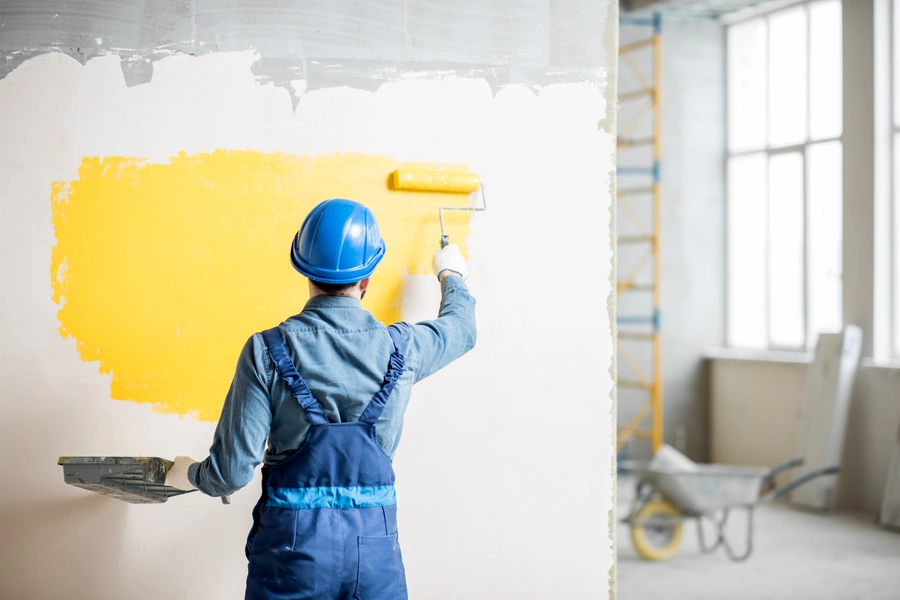
Before any paint goes on a surface, preparation matters. Skipping prep work is one of the main reasons paint fails early. Whether it is siding, drywall, brick, or metal, the surface must be clean and stable.
- Clean the surface to remove dust, mold, and grease.
- Scrape off loose or peeling paint.
- Repair cracks, holes, or damaged areas.
- Use the right primer for the material.
- Choose paint made for that surface and climate.
Each building material reacts in a different way. Wood expands and shrinks. Metal heats up fast. Concrete can hold moisture. Painting services match the coating to the surface so it bonds well and lasts longer.
Step-by-Step: How Paint Protects Building Materials
- Surface preparation. Professionals clean and fix the surface so the paint sticks properly.
- Priming. Primer seals porous materials and improves adhesion.
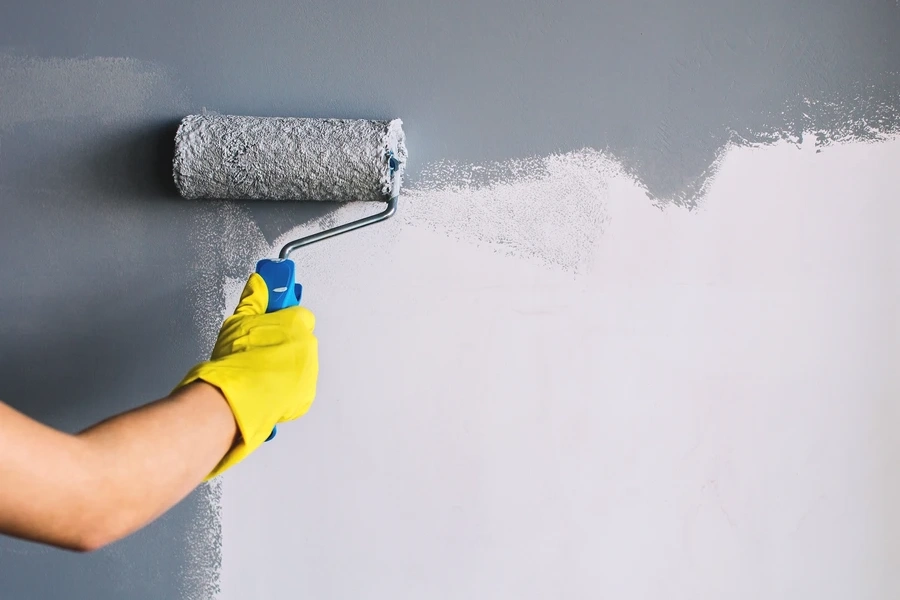
- Applying quality paint. The right product forms a tight barrier against water and air.
- Even coverage. Proper thickness prevents weak spots that can peel.
- Final inspection. Touch-ups seal small gaps and edges.
For example, exterior wood siding without paint can absorb rain. Over time, that moisture leads to swelling and rot. A sealed paint layer slows water from soaking in. Metal fences and railings benefit in the same way. A protective coating helps prevent rust from forming when exposed to humidity.
Common Mistakes to Avoid
Many property owners think painting is simple. While it can look easy, small mistakes reduce durability.
- Painting over dirty or wet surfaces
- Skipping primer on bare materials
- Using interior paint outdoors
- Applying paint too thin or too thick
- Ignoring weather conditions during application
Hot sun can cause paint to dry too fast. High humidity can trap moisture under the surface. These problems lead to peeling, blistering, or cracking. When that happens, the building material underneath is exposed and can break down faster.
How Different Materials Benefit
Each surface gains protection in its own way.
- Wood: Paint slows moisture absorption and reduces rot and insect damage.
- Metal: Coatings act as a shield against rust and corrosion.
- Concrete and masonry: Sealed surfaces resist water intrusion and surface cracks.
- Drywall: Paint protects from stains, scuffs, and minor impact damage.
In areas with strong sun, UV rays can fade and weaken materials. Quality exterior coatings reflect or resist UV exposure. This helps surfaces keep their strength and appearance.
When to Call a Professional
Small touch-ups may be manageable for a homeowner. Large exterior projects or damaged surfaces often need trained crews. Painting services handle tall walls, detailed trim, and hard-to-reach areas safely. They also know which primers and paints work best for certain materials and weather patterns.
Signs you may need professional help include:
- Widespread peeling or bubbling paint
- Water stains or soft wood
- Rust spreading across metal surfaces
- Cracks in masonry or stucco
A professional team can spot early signs of damage that many people miss. Fixing small issues early helps avoid larger repairs later. That saves money and protects the structure of the building.
Final Recommendation and Next Steps
If you want your siding, trim, or interior walls to last longer in Ossining, NY, routine painting and sealing make a real difference. At MD Construction, we focus on careful preparation and durable coatings that protect your investment for years. Give us a call at (914) 505-4995 to schedule a consultation and let us help extend the life of your building materials with expert painting services.